Enhance Your Brand: The Power of Professional Photography in Business Growth
In today's demanding marketplace, the significance of professional photography cannot be overstated. Businesses that commit to high-quality imagery tend to experience stronger brand recognition and increased consumer trust. The art of visual storytelling is essential in building meaningful relationships with audiences. Nevertheless, not all visuals are designed to achieve the same goal. Learning how to identify the right photographer and apply visuals purposefully can yield remarkable results. What strategies can brands employ to maximize the impact of their imagery?
Why Professional Photography Should Matter to You
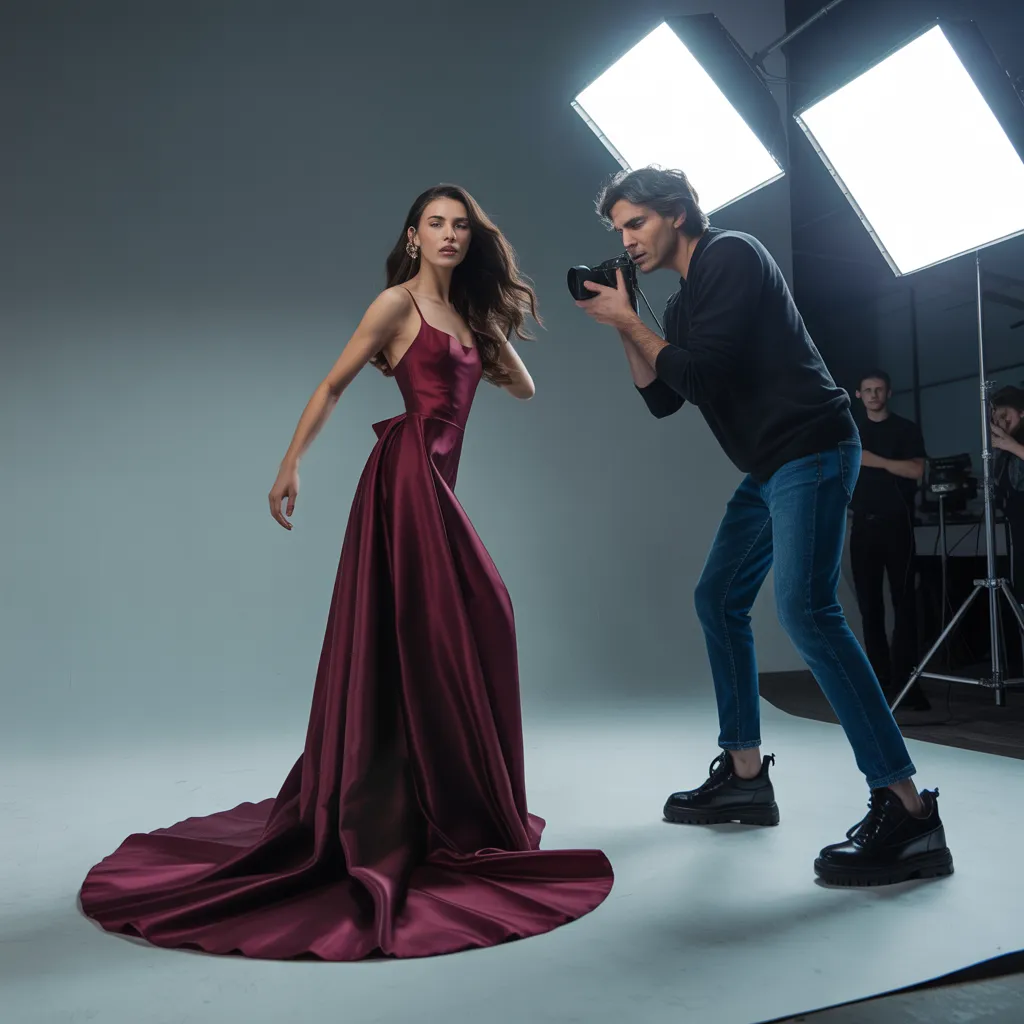
What makes professional photography a worthwhile investment for businesses? This can be understood through the significance of first impressions. High-quality images can greatly enhance a brand's image, reflecting a polished and detail-oriented approach. In today's image-focused commercial environment, prospective clients frequently evaluate a company through its visual presentation. Expert photography presents products and services in the most favorable way, attracting and retaining customer interest.
In addition, cohesive and polished visuals play a key role in building a recognizable brand identity. Authenticity is vital; professionally captured photographs can craft a relatable story that resonates with audiences. This commitment can generate greater audience engagement across multiple channels, from websites to social media channels.
At the end of the day, companies that invest in expert photography emerge as frontrunners in their field, building confidence and reliability. In an era where visual content dominates, the need for professional images is not just advantageous—it's critical for lasting growth.
The Role of Visual Storytelling in Brand Engagement
In the modern competitive environment, visual storytelling has become an essential instrument for brand connection. By weaving narratives through images, companies can forge meaningful bonds with their viewers, making their messages more relatable and memorable. This strategy goes beyond conventional marketing methods, enabling businesses to express their core values, purpose, and character through striking imagery.
Compelling visual narratives captures attention and fosters deeper interactions, motivating customers to commit to the brand. It empowers organizations to display their products and services meaningfully, demonstrating how they improve daily living. Via strategically chosen images, brands can highlight their unique selling propositions and differentiate themselves from competitors.
In addition, visual narratives strengthen social media engagement, as compelling content expands reach and promotes audience involvement. Through leveraging striking visuals that align with target audiences, businesses can nurture loyalty and enhance engagement, thereby supporting sustained business growth.
How Superior Images Strengthen Consumer Trust
High-quality images function as a pillar for building consumer trust in today's online marketplace. They deliver a graphic illustration of a brand's character, expressing credibility and meticulous care. When consumers encounter crisp, well-composed photos, they are prone to regard the brand as authentic and reputable. This perception is essential, especially in an environment overwhelmed by rivals and misleading content.
Additionally, premium-quality visuals elevate the overall user experience, transforming websites and social media channels into more compelling destinations. They enable prospective customers to picture products or services, building a sense of familiarity and trust. As customers continue to lean on visual cues to drive their purchasing decisions, organizations that commit to professional photography stand out among their competitors.
In the end, the significance of professional-grade images extends beyond aesthetics; they foster a firm foundation for reliability, encouraging customer loyalty and driving business growth.
Tips for Choosing the Ideal Photographer
Selecting the ideal photographer is vital for connecting visual content with a company's identity. It requires carefully defining the business vision, reviewing additional information the quality of the photographer's previous work, and exploring budget options. By prioritizing these key factors, businesses can form informed decisions that improve their visual identity.
Clarify Your Brand Vision
A well-defined brand identity acts as the foundation for selecting the right photographer. Organizations must first articulate their goals, values, and target audience, as this understanding shapes the photographic style needed to successfully convey their vision. Recognizing whether the business leans towards a modern, minimalist aesthetic or a vibrant, dynamic approach is vital. Furthermore, identifying clear objectives—such as enhancing online presence or producing powerful marketing assets—will influence the decision on a photographer whose capabilities matches these aims. By identifying the target emotional reaction from the audience, companies can ensure they choose a photographer who can reflect the spirit of their brand. This deliberate coordination ultimately enhances the total quality of the brand imagery.
Evaluate Portfolio Quality
When evaluating photographers, the quality of their portfolio serves as a vital indicator of their skills. A comprehensive portfolio showcases a range of styles and subjects, allowing interested clients to gauge the photographer's versatility and technical skills. It is important to look for consistency in lighting, composition, and image quality, as these aspects reflect the photographer's attention to detail. Moreover, reviewing past work relevant to the specific industry can offer insight into how well the photographer understands branding and marketing needs. Client testimonials or case studies accompanying the portfolio may additionally strengthen credibility. Ultimately, a carefully curated portfolio not only demonstrates artistic vision but also confirms the photographer's ability to achieve results that align with a business's objectives.
Think About Budget Considerations
Reviewing the quality of a portfolio sets the foundation for choosing the ideal photographer, but financial considerations play an equally important role in the decision-making process. Companies should define a well-defined budget that supports their marketing goals. This budget should include not only the photographer's rates but also possible extra expenses, such as licensing, travel, and editing costs. Reviewing various photographers allows businesses to find a middle ground between excellence and budget. It is important to outline needs and expectations from the start to avoid unexpected expenses. Moreover, some photographers might present special packages or price reductions for larger projects, providing further options for financially mindful organizations. At the end of the day, careful financial planning can result in a successful collaboration that enhances brand image without going over budget.
Employing Images Strategically Across Platforms
Leveraging the strength of images can substantially boost a business's presence across multiple platforms. Strategic image utilization requires an understanding of the unique characteristics of each platform. For instance, striking, compelling visuals work well on social media, encouraging user engagement and sharing. In contrast, clean, professional images are vital for websites and e-commerce platforms, where they build trust and credibility.
Furthermore, a consistent visual style—fonts, color schemes, and image quality—reinforces brand identity. Adapting images for specific formats, like square crops for Instagram and landscape orientations for Facebook, ensures optimal display and viewer experience. In addition, including images within email marketing may substantially improve open and click-through rates.
Case Studies: Insights From Leading Brands
Established brands reveal the substantial influence of high-quality photography on business results. As an example, a renowned cosmetics brand redesigned its marketing approach by leveraging professional images that highlighted its products in natural settings. This transformation led to a 30% growth in online sales over a six-month period, proving the strength of compelling visual content.
In the same way, a upscale hotel brand leveraged professional photography to showcase its unique amenities and stunning views. The remarkable visuals not only elevated their website but also elevated engagement on social media, producing a 50% increase in bookings made directly.
An additional case involves a apparel company that invested in a cohesive visual identity through professional shoots. This approach not only enhanced its brand perception but also fostered a loyal customer base, highlighted through a 40% growth in recurring sales. These real-world instances illustrate how the purposeful adoption of expert photo production can significantly elevate brand image and generate measurable results.
Commonly Asked Questions
How Much Does Professional Photography Services Cost?
Planning a budget for professional photography usually spans from $500 to $5,000, depending on factors like project complexity, photographer experience, and usage rights. Businesses should assess their needs to determine an appropriate budget within this range.
Should I Use Stock Photos Instead of Hiring a Professional Photographer?
Utilizing stock images offers an affordable solution to hiring a professional, but they may lack authenticity and uniqueness. Businesses should weigh the advantages of unique content against budget constraints when determining photo strategies.
How Regularly Should I Update My Brand Visuals?
Brands must update their images every 1-2 years to stay aligned with modern trends and stay relevant. Regular refreshes ensure the visual identity fresh, engaging audiences and building lasting brand loyalty through reliable, premium visuals.
Which Types of Photography Work Best for My Industry?
Lifestyle, product, and event photography are fundamental for most industries. Companies should focus on high-quality images that appeal to their core audience, showcasing genuine quality and professionalism to strengthen brand image and customer interaction with lasting impact.
How Can I Measure the Impact of Photography on My Brand?
To evaluate visual photography's impact on a business, marketers can review engagement data, measure conversion rates, collect client feedback, and assess brand perception via surveys, ultimately assessing how imagery affects overall brand performance.